

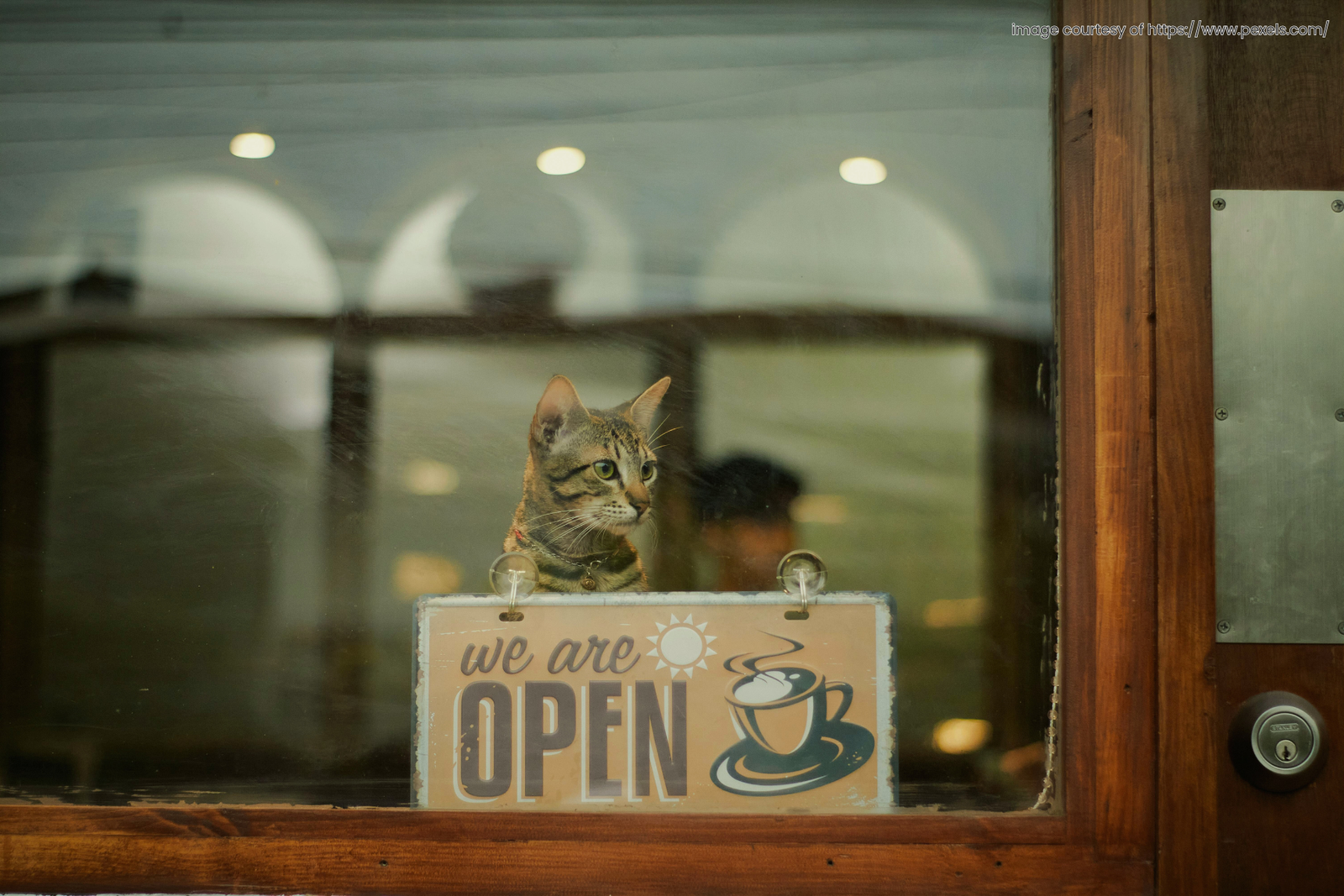
Opening a cat café sounds idyllic: cozy coffee, soft lighting, and cats stretched out like royalty. But beneath the charm lies a complex operation. You’re dealing with food service, live animals, health regulations, zoning laws, and a customer experience that has to make sense economically. It’s not a novelty business — it’s a hybrid model that demands rigor, planning, and structure from day one.
Understand Demand First
Loving cats doesn’t mean customers will pay to share a room with them. Start by pressure-testing your market. Who lives in your city? Are they cat people? Are they café people? Do they have time, money, and reasons to hang out in a place that blends petting with pastries? You’re not selling cats. You’re selling atmosphere, ritual, novelty, and comfort — and those don’t move without demand. Digging into how to open a cat café reveals that the business is hybrid: part food service, part animal welfare, part experiential retail. Without that clarity, the cutest interior in the world won’t keep you afloat.
Education Gives Founders a Long-Term Edge
Passion and grit take you far, but structured learning can help you avoid costly mistakes. Business modeling, licensing, operations, and scalability all benefit from frameworks taught in formal programs. Recognizing the importance of a business degree can provide a toolkit for making disciplined decisions under uncertainty. This isn’t about credentials for their own sake; it’s about equipping yourself with systems thinking when your café scales from one cozy room to a regional brand.
Permits Don’t Just Appear — You Fight for Them
Before you dream in cat towers, get ready for a paperwork sprint. You’ll need food service permits, animal operation licenses, building compliance, and zoning approval. And you’ll need them in the right order. Most cities require separate HVAC systems for animal and food areas. That means structural renovations before you ever serve a croissant. You’ll also need general liability, animal liability, and possibly breed-specific insurance coverage. Mapping out cat café legal considerations early protects both your budget and your timeline. Don’t wait for a government office to tell you “no” after you’ve signed the lease. Ask first, prove everything, then design your café around what’s actually allowed.
Budget Like the Dream Is Expensive — Because It Is
The fastest way to shutter your cat café is to lie to yourself about money. This isn’t a coffee shop with a twist. It’s a multi-zone, high-maintenance, health-regulated venue with living creatures and operating overhead. Build your financial model like you’ve already made mistakes — because you will. A detailed look at startup costs for a cat cafe reveals hidden expenses that crush undercapitalized ventures: reinforced flooring for litter boxes, staff training on animal handling, specialized waste removal, and higher insurance premiums. Plan for a burn rate, not a break-even fairy tale.
Design the Space to Serve Cats and Humans Equally
A successful cat café feels seamless — warm lighting, soft seating, gentle purring — but behind the ambiance is engineering. Proper ventilation, double-door entryways, washable surfaces, and dedicated cleaning stations keep health inspectors calm and cats stress-free. Without these, you’ll struggle to pass inspections or retain your feline residents. Review your local cat cafe permit requirements before committing to a layout so you can build to code rather than retrofitting later. The more your space anticipates regulations, the smoother your launch and the happier your customers.
Protect the Cats, Protect the Brand
People don’t just visit cat cafés for coffee; they come for a living experience. That means animal welfare is brand equity. Unhappy or unhealthy cats ruin the atmosphere, spook customers, and invite scrutiny. Staff training, clear handling rules, and close partnerships with reputable rescues turn a novelty into a trusted community space. Complying with animal welfare laws for cafes isn’t just about legality; it’s about credibility. Show visitors the cats are cared for, and they’ll care about your business in return.
Marketing Starts Before You Open Your Doors
A cat café with no audience is just a quiet room with scratching posts. Build anticipation months before launch. Document renovations, introduce foster cats, and build an email list. Offer early-bird reservations, loyalty perks, and behind-the-scenes glimpses of your buildout. Thoughtful marketing strategies for launching and sustaining your business help create a community before the first latte is poured. When opening day comes, you’re not begging strangers to show up; you’re welcoming a crowd already invested in the story.
A cat café is both a business and a responsibility. The environment must work for animals and people, and the model must sustain itself beyond initial excitement. Owners who succeed approach every part — legal, financial, spatial, and promotional — with care and precision. It’s not just about charm. It’s about doing the hard work to make the charm possible.
Discover the purr-fect tips and tricks for living your best cat mom life at Stay At Home Cat Mom and join a community that celebrates the joy of feline companionship!